Amsterdam 2020
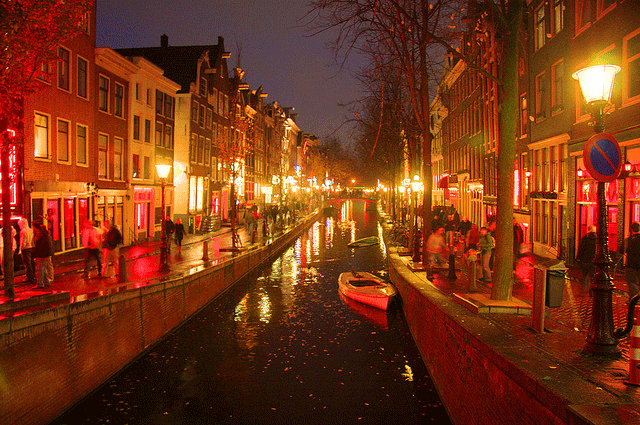
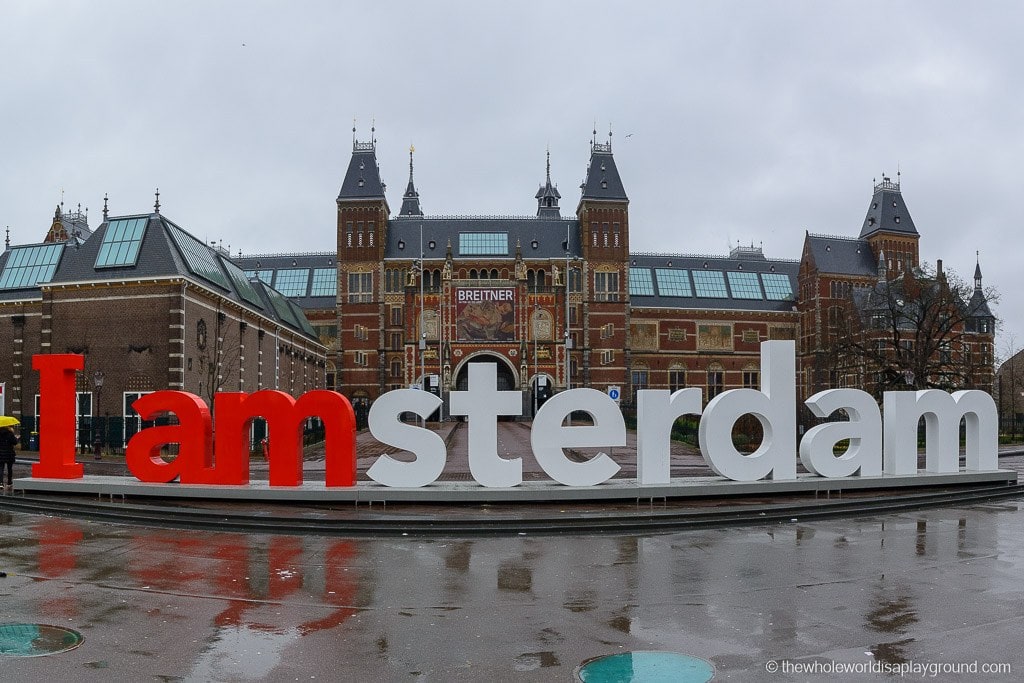


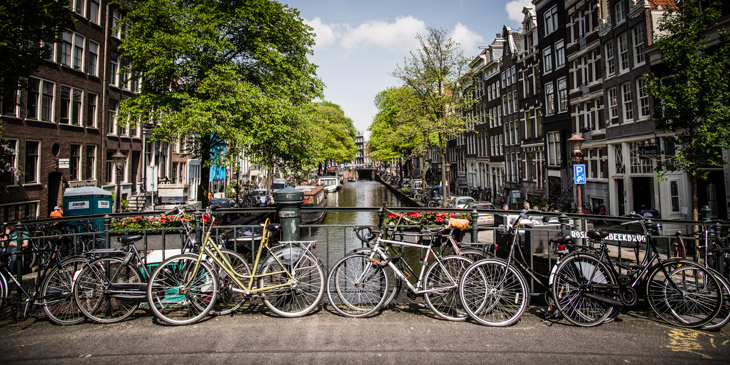
Welcome to my blog for International fieldwork. For the scope of our research we are off to the vibrant, cultural city of Amsterdam, most famous to us English folk for the bright lights of the red -light district and the many cafes in which you can choose from an array of coffee, cakes and marijuana. It’s not only an exciting venture but also filled with angst as it marks our final research piece as undergraduates…. scary right?
I chose this module as I thought it would be interesting to analyse sociological issues within a different cultural context to that which we are used to in England. I find it intriguing how cultures are so vastly different across the globe. Why are things so different, yet so alike from many perspectives, what factors shape our interactions and perceptions? Having learned so much criminological and sociological theory over the past 3 years, It will be fascinating to look at these differing perspectives from an international standpoint.
Ps: I know its not all about the tulips, but I love them.

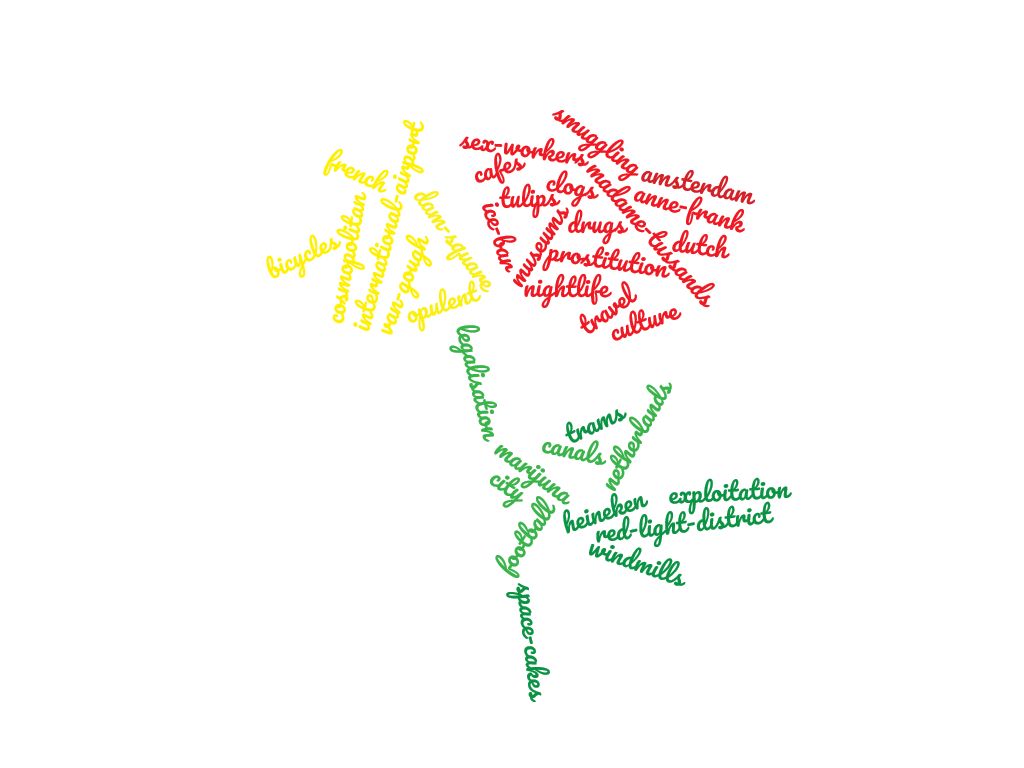
RESEARCH
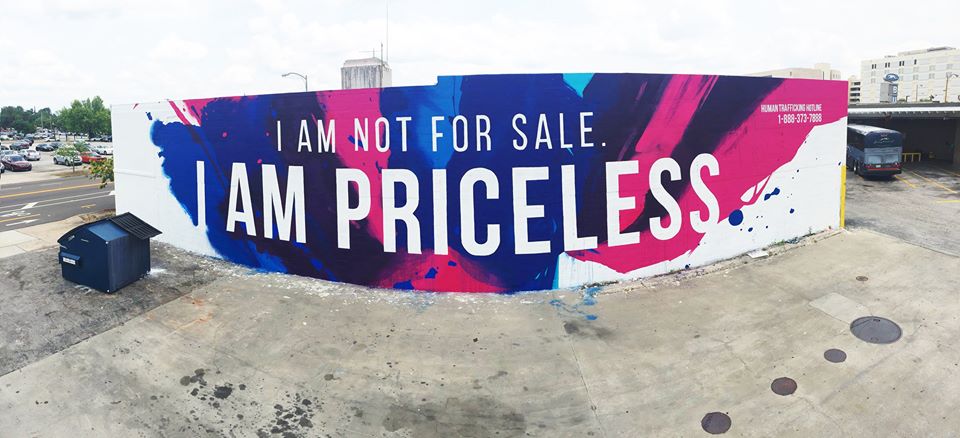
For my research I am paired up with my lovely friend Tiffanny, we have worked on all our group projects together previously so I am happy with the dynamics of our group and am more than confident that we work well as a team and are able to equally share the workload to maximise each others strengths and weaknesses, whilst overcoming any difficulties we may face together. We have so far researched several areas that have piqued our interest and although we haven’t yet arrived at a final decision, we are leaning more towards feminism and the sex trade. Particularly a social media campaign called #IAMPRICELESS
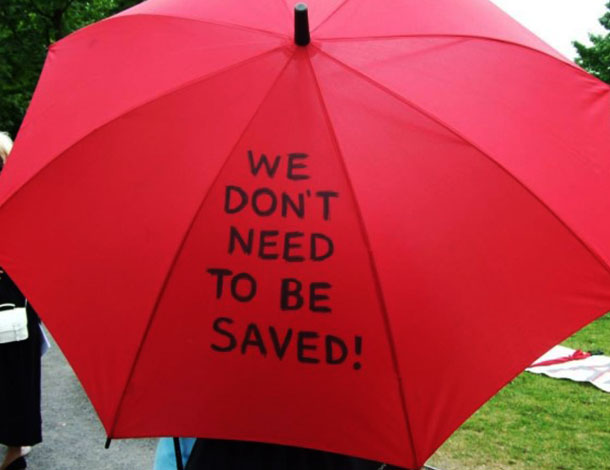
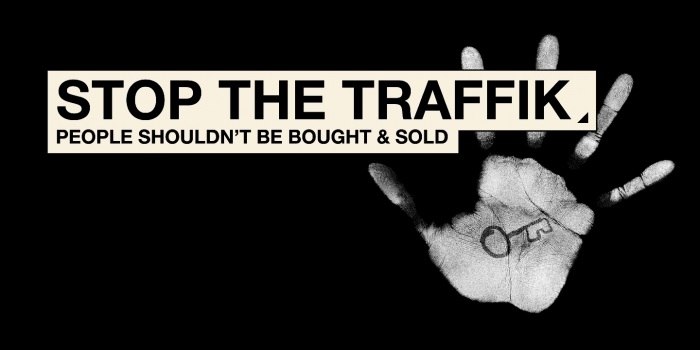
Amsterdam has long been held as being the epitome of a modern sex industry following the legalisation of prostitution in 1999, making prostitution legal providing it was the exchange of sex for money between consenting adults. Not everyone however shares these views and are calling for changes in the law that sees those actively seeking sex via prostitution (ie; the client) to be penalised. Based on a ‘Nordic model’ of prostitution laws Christian and feminist groups such as Exxpose who are striving for equality want to see sex workers and those who are prostituted decriminalised and offered support services that would enable them to leave the profession. Whilst making it illegal for people to be bought or sold for sex, in a bid to decrease the demand for sexual services. In order for their petition to be heard they had to reach a minimum of 40,000 signatures the mandatory amount needed for it to be debated as a issue amongst law makers in the Dutch Parliament (Jovanovic, 2019).
Social media platforms provide a perfect framework to garner support and it has since become a contentious issue that has spread beyond the Netherlands and expanded into the global sphere, with many other countries such as Nigeria following in their footsteps to tackle problems surrounding prostitution and it’s relationship with human trafficking and exploitation (UNODC, 2020).
 Christines international fieldwork to Amsterdam
